
Personal Growth

Emotional Intelligence and Stress Management: Why One Depends on the Other

Many high-achieving adults have mastered productivity, problem-solving, and perseverance. They can manage demanding careers, family responsibilities, and countless obligations. Yet despite appearing successful on the outside, many find themselves chronically stressed, emotionally exhausted, and disconnected from themselves.

The missing piece is often emotional intelligence.

While stress management is frequently discussed in terms of exercise, sleep, nutrition, and time management, emotional intelligence is one of the most overlooked factors in determining how we experience and respond to stress.

What Is Emotional Intelligence?

Emotional intelligence (EQ) is the ability to recognize, understand, and manage your emotions while also navigating relationships effectively. It includes skills such as:

  • Self-awareness

  • Emotional regulation

  • Empathy

  • Communication

  • Adaptability

  • Resilience

Unlike IQ, emotional intelligence is a skill set that can be developed throughout life.

Stress Isn't Just About Your Circumstances

Many people assume stress comes solely from external demands. While workload, finances, relationships, and uncertainty certainly contribute, two people can experience the same situation very differently.

Why?

Because stress is influenced not only by what is happening around us but also by how we interpret and respond to what is happening.

This is where emotional intelligence becomes essential.

When emotional intelligence is underdeveloped, stress tends to feel overwhelming. Emotions become difficult to identify, communicate, and regulate. Small challenges can trigger disproportionately large reactions, while chronic stress quietly accumulates beneath the surface.

How Emotional Intelligence Helps Manage Stress

1. Self-Awareness Helps You Catch Stress Earlier

Many professionals don't notice stress until they're already burned out.

Emotional intelligence helps you recognize subtle signs of stress before they escalate. You become more aware of shifts in mood, energy, motivation, patience, and physical tension.

The earlier you notice stress, the more options you have to address it.

2. Emotional Regulation Prevents Reactivity

Stress naturally activates our nervous system. Without emotional regulation skills, we may become reactive, impulsive, irritable, withdrawn, or overwhelmed.

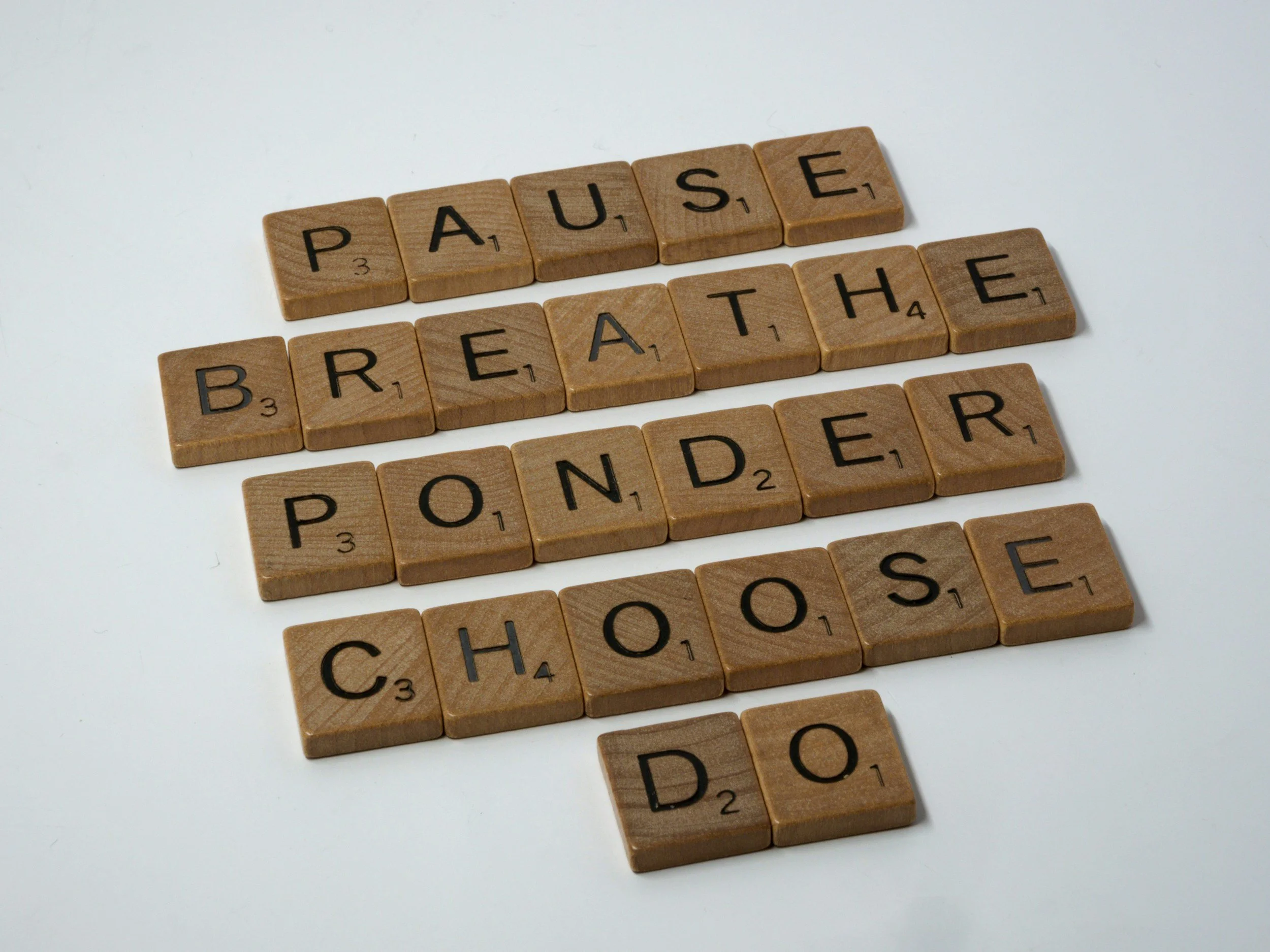
Emotional intelligence helps create a pause between feeling and reacting.

Instead of being controlled by emotions, you learn how to respond thoughtfully and intentionally.

3. Better Boundaries Reduce Chronic Stress

Many high performers struggle with saying no, delegating responsibilities, or communicating their needs.

Emotional intelligence strengthens the ability to recognize personal limits and advocate for them effectively.

Healthy boundaries are not selfish. They are one of the most effective forms of stress prevention.

4. Emotional Intelligence Improves Relationships

Relationships can either reduce stress or amplify it.

Misunderstandings, unresolved conflict, and poor communication often create unnecessary emotional strain. Emotional intelligence improves empathy, listening skills, and communication, allowing relationships to become a source of support rather than stress.

5. Resilience Grows Through Emotional Awareness

Contrary to popular belief, resilience is not about suppressing emotions.

True resilience develops when we can acknowledge difficult emotions, process them effectively, and continue moving forward.

People with higher emotional intelligence tend to recover more quickly from setbacks because they are less likely to become stuck in cycles of avoidance, self-criticism, or emotional overwhelm.

Signs Your Stress May Actually Be an Emotional Intelligence Issue

You may benefit from strengthening emotional intelligence if you find yourself:

  • Constantly feeling overwhelmed despite being highly capable

  • Struggling to identify what you're feeling

  • Becoming easily irritated or emotionally reactive

  • Overthinking conversations and decisions

  • Having difficulty setting boundaries

  • Feeling disconnected from yourself

  • Experiencing recurring burnout

These challenges are not signs of weakness. They are often signs that important emotional skills have not yet been fully developed.

The Good News: Emotional Intelligence Can Be Learned

The skills that make up emotional intelligence are not fixed traits. They can be strengthened through intentional practice, self-reflection, and supportive conversations.

As emotional intelligence grows, many people notice improvements not only in stress management, but also in relationships, confidence, decision-making, leadership, and overall well-being.

Stress may always be a part of life. Suffering from it unnecessarily doesn't have to be.

Developing emotional intelligence gives you the tools to navigate life's challenges with greater clarity, resilience, and self-awareness - allowing you to thrive rather than simply survive.

If chronic stress is affecting your quality of life, therapy can provide a space to better understand your emotional patterns, strengthen emotional intelligence, and develop practical strategies for managing stress more effectively.

To learn more or schedule a consultation, reach out.