Emotional Intelligence

Human Emotional Intelligence in an AI-driven World

Technology is here, and it comes with both ups and downs - pros and cons.

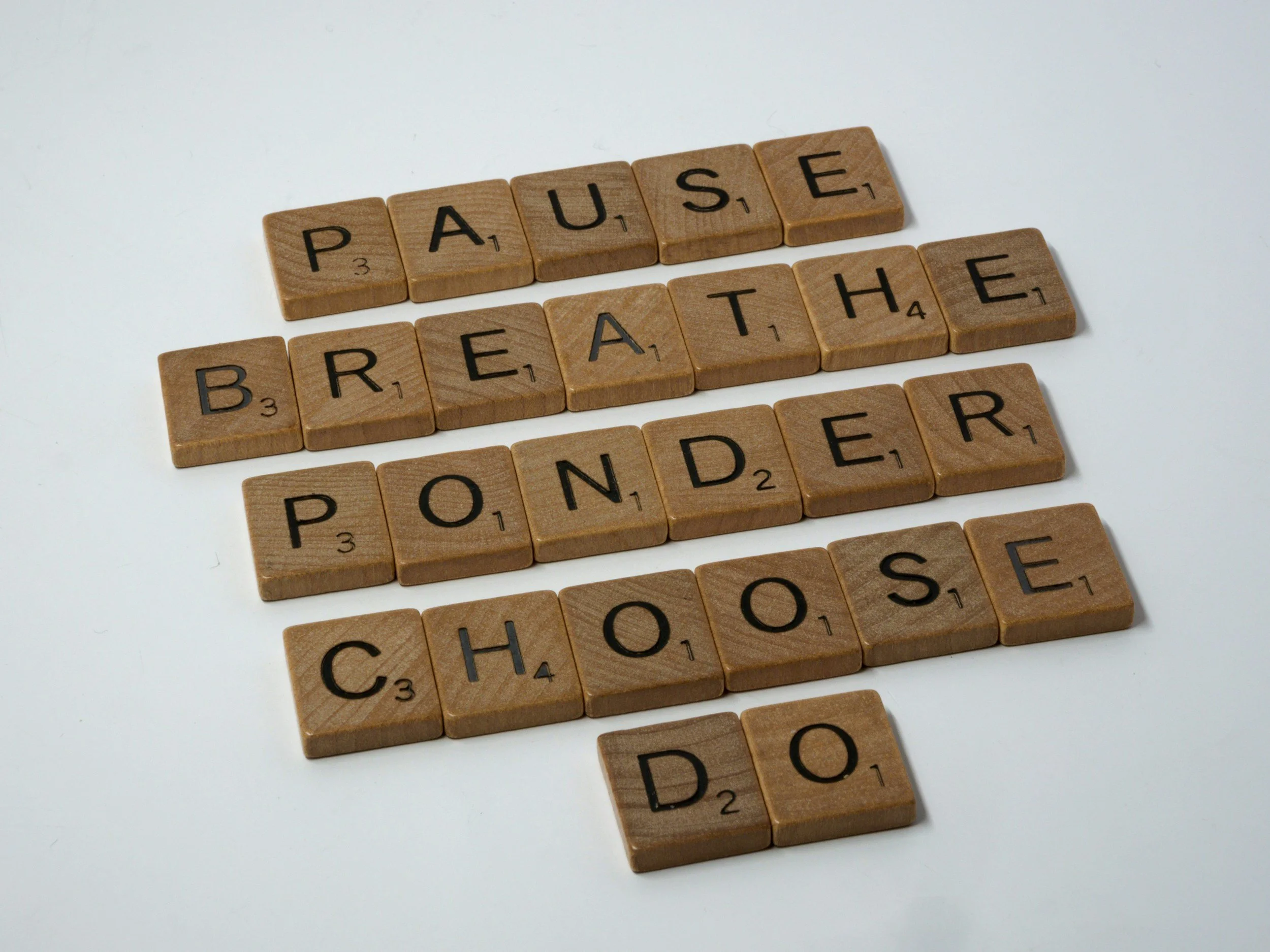
Emotional Intelligence (EQ) includes noticing, radically accepting, self-regulating, and then choosing actions that best serve us and align with our values.

So how can we use EQ to navigate the new chapter we’re already in?

We start by noticing the changes AI has already brought into our lives and considering what changes are likely in the near future. We can also acknowledge that there will be both positive and negative outcomes. Many of these shifts will be unexpected, and still, we will find ways to adapt.

What we know so far is that two of the primary reasons people turn to AI are therapy/counseling and connection/relationships. This tells us something important: support and guidance, belonging and understanding, are vital to humanity.

So if you ask me whether I’m for or against AI, my answer is both. I don’t worry about us losing our humanity - especially if we’re intentional about preserving it. I love progress and I love the journey toward personal development and global impact. Let’s explore…

AI can support insight; therapy is where change happens. Just because you’re taught a concept - and can even repeat the words back to others - doesn’t mean you’ve actually rewired your brain or embodied the new truth. Often, what we understand intellectually hasn’t yet been integrated emotionally or behaviorally.

We know a lot, and technology will only give us more knowledge. But having information and knowing how to process that information are two very different things. Having data and being able to critically assess both the benefits and the potential harm are also different skills.

Knowing something intellectually and truly knowing it through lived experience are not the same. Reading or hearing an idea is one thing; applying it in your life in a way that changes habits for good is something else entirely.

Here are a few reflections worth exploring:

  • Notice when you turn to AI instead of people

  • Explore what feels safer about AI versus humans

  • Build discernment around emotional outsourcing

  • Strengthen emotional literacy so AI doesn’t become a form of emotional avoidance

If you find yourself asking, “Why should I pay for therapy when I can talk to AI?” the answer is this: growth happens in relationship, not just reflection.

If these questions feel hard to answer on your own, reach out to a seasoned therapist and go deeper than an algorithm - discover the gold within you. Emotional intelligence actually helps us navigate AI.

Insight can come from technology…

but real change happens through therapeutic experiences and human connection.

Proud of You

It’s been quite the year! I’m so proud of you. I’m so proud of the ups and downs you’ve endured and the lessons you took from each moment. I’m proud of you for resting and healing. I’m proud of you for dreaming so big you made yourself laugh with your audacity. I’m proud of you for taking smaller than small steps and staying consistent with the forward motion. I’m proud of you for being honest with yourself about your inner truth. I’m proud of you for having the courage to face letting go of what you know and finding ways to keep the good and let go of what no longer resonates. I’m proud of you for reconnecting to the things that matter to you but with a new found authenticity in this life chapter. I’m proud of you for taking the foundation of balance and progress and building on it. I’m proud of you for being proud of yourself.

I write this to one particular client I’ve worked with and I hope you know who you are. I see how this applies to all of us on the journey. Sometimes, on this journey, the things we can be proud of - we only see looking back.

Take your deep breathes, your deep rests, your deep introspections, your genuine care and respect for others that don’t consistently harm you, your new boundaries, your clear communication, your life mission statement….and savor the year to come.

I’m proud of you. I believe in you. I’m glad you are now beginning to feel it too.