
Stress Management

When “This Isn’t That Bad” Keeps Us Stuck: Normalcy Bias vs. the Freeze Response

When “This Isn’t That Bad” Keeps Us Stuck: Normalcy Bias vs. the Freeze Response

Sometimes we know something isn't working, but we keep going anyway. We tell ourselves, “It's not that bad,” “I'll deal with it later,” or “Things will get better.”

This can be normalcy bias - our tendency to assume things will return to normal even when something has changed. Or it may be a freeze response, when feeling overwhelmed makes it difficult to take action even when we know what we want to do. Sometimes the two work together.

Before asking, “What should I do?” it may be more helpful to ask, “Am I grounded enough to see what's actually happening and consider my options?” Clarity often comes after regulation - not before it.

Your Environment Is Shaping You: Four Ways to Take Back Your Influence

Your Environment Is Shaping You: Four Ways to Take Back Your Influence

We often look inward when we want to change our lives - but our environment may be shaping us more than we realize. Explore four ways to create greater intention around your space, your peers, your mentors, and the culture you choose to live and work in.

The Small Pauses That Protect Your Wellbeing

The Small Pauses That Protect Your Wellbeing

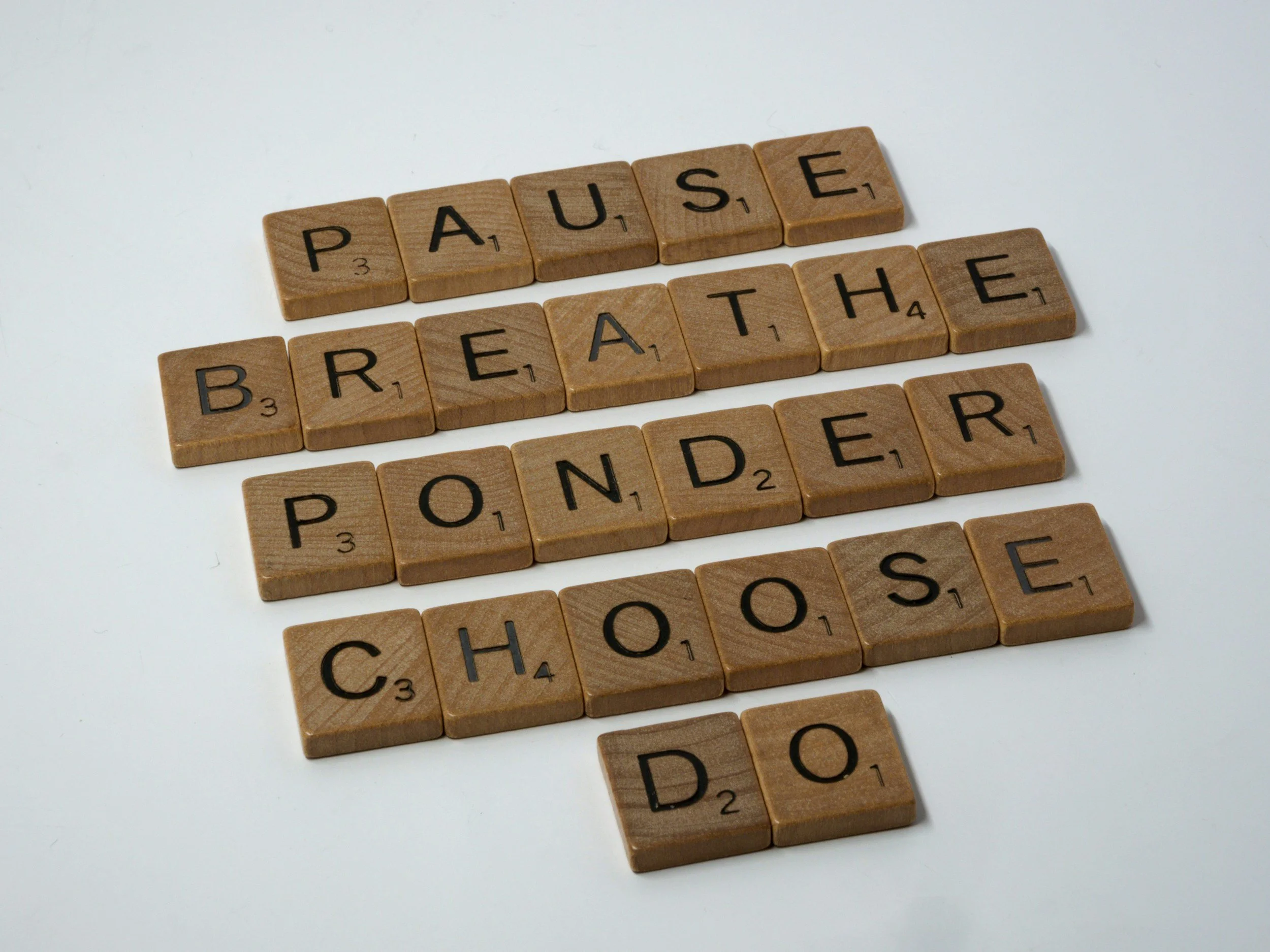
Small choices can have a powerful impact on our wellbeing. Pausing before reacting, saying no without overexplaining, letting something be “good enough,” and choosing rest between challenges can help us step out of constant urgency and create a more sustainable way of living and achieving.

How Stress Fuels Inflammation - and Why That Matters for Your Mental Health

How Stress Fuels Inflammation - and Why That Matters for Your Mental Health

Understanding the stress–inflammation–mental health pathway is about recognizing that caring for your body - through sleep, movement, nutrition, and connection - is also a way of caring for your mind.